Cart
0
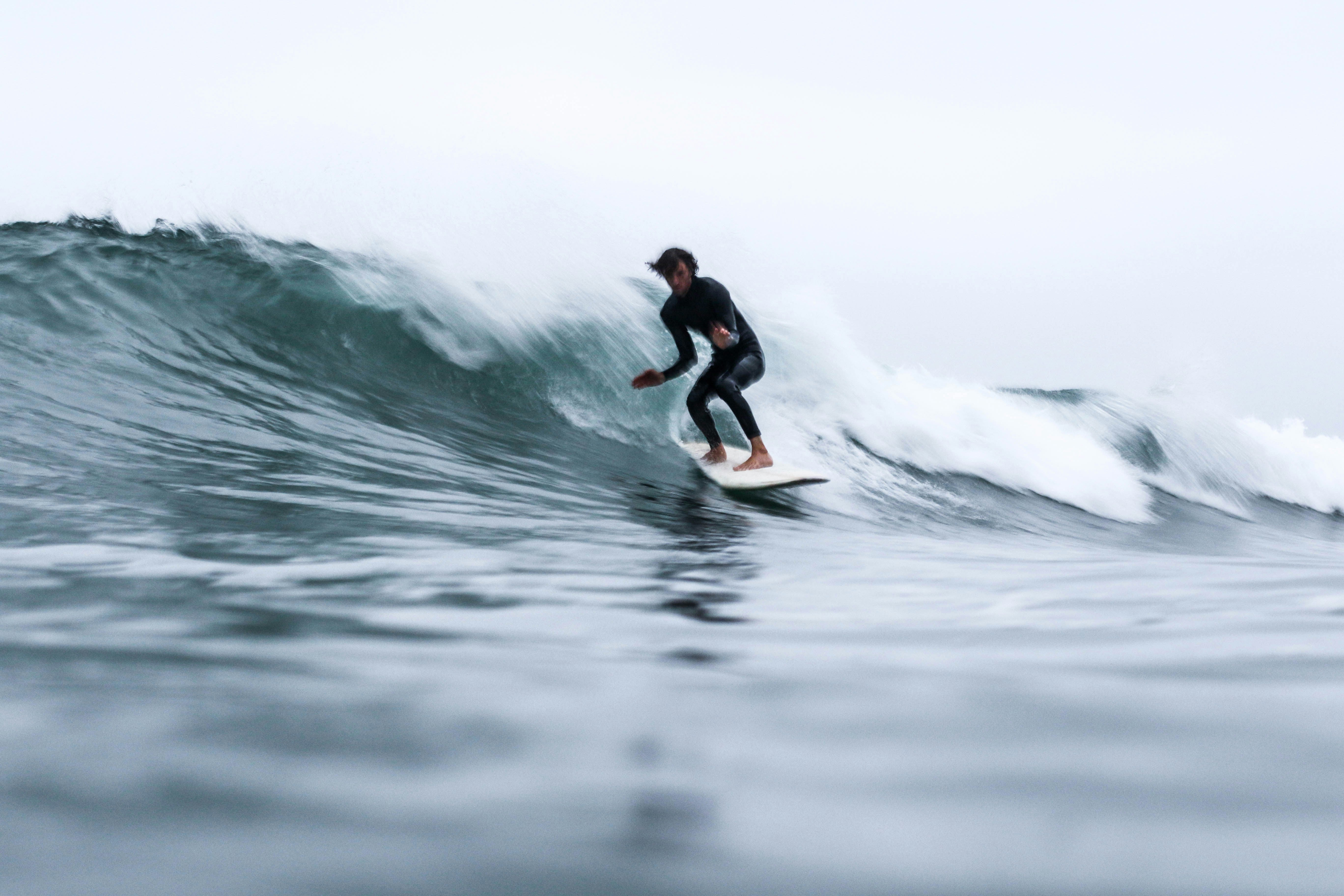
You check the forecast at 6 AM, see '1.5m at 9 seconds, SE', and have no idea if it's going to be a good morning. Reading swell charts is a skill that takes 5 minutes to learn and saves you from countless wasted dawn patrols. Here's the cheat sheet.
📏 Wave Height vs. Swell Height
The number on the forecast is swell height, not wave height. They're different. Swell height is what the buoy reads in deep water (typical sets, averaged). Wave height at your break depends on swell direction, period, and bathymetry (the shape of the seabed).
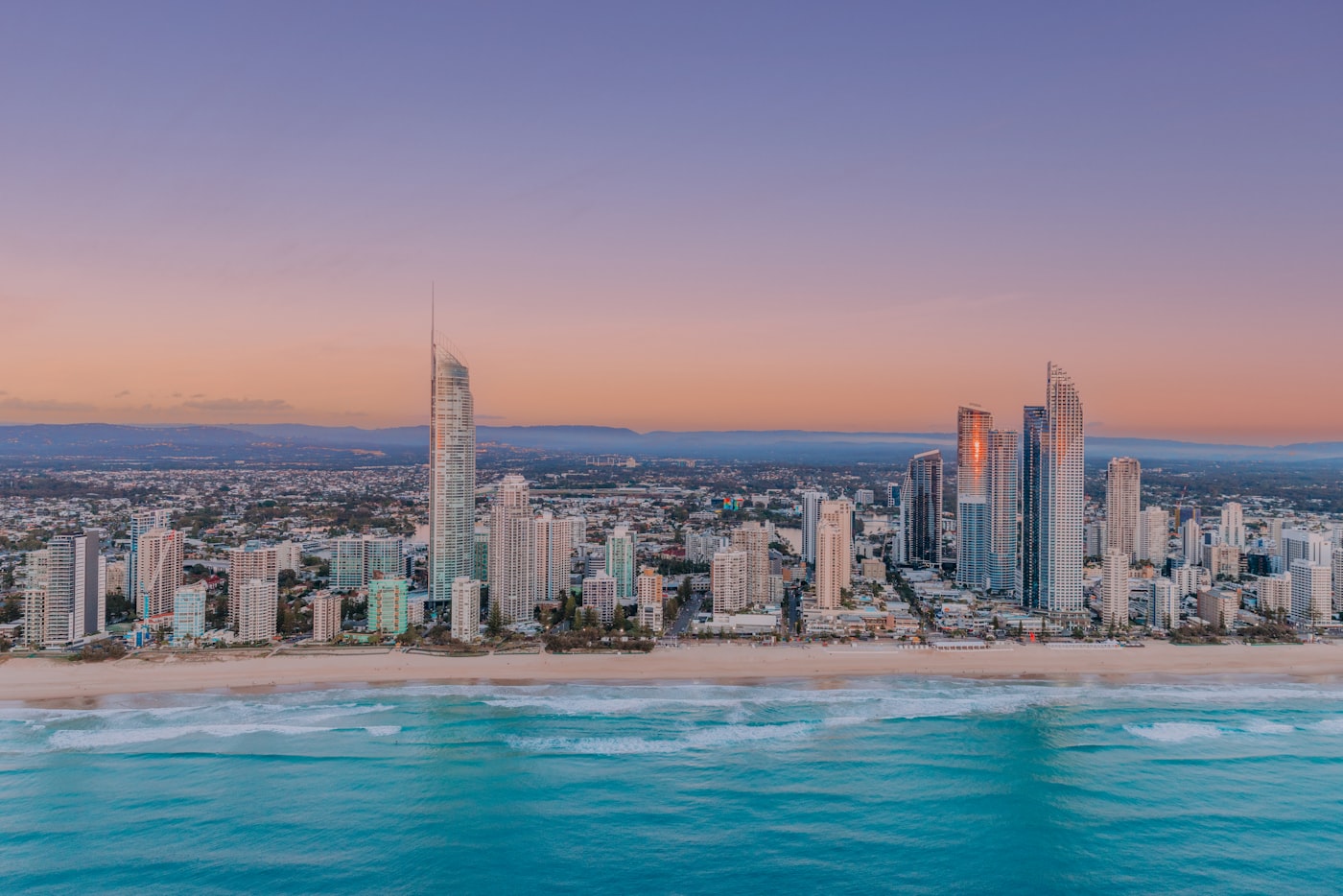
Rule of thumb on the Goldie: a 1.5m swell at long period (12s+) often produces head-high waves at the points. The same 1.5m at short period (6s) might be barely waist-high mush. Period matters more than people think.
⏱️ Period: The Magic Number
Period is the time between wave crests, in seconds. It tells you how much energy is in the swell.
- 5 to 8 seconds: Wind chop. Local, weak, often messy. Skip.
- 9 to 11 seconds: Decent groundswell. Surfable, organised, usually delivers what the forecast says.
- 12 to 15 seconds: Quality groundswell. Long lines, clean energy, will wrap into points.
- 16+ seconds: Big-wave territory. The energy is real, even if heights look small.
🧭 Swell Direction
The compass bearing the swell is travelling FROM. Each break has a 'sweet spot' direction.
- SE (135 to 180°): Lights up the southern points (Snapper, Kirra, Burleigh).
- E (90 to 135°): Beach breaks pump (D-Bah, Currumbin, Mermaid).
- NE (45 to 90°): Less common, weaker on the Gold Coast (most of our better breaks face south or east).
💨 Wind: The Make-or-Break Variable
Even pumping swell turns to mush in onshore wind.
- Offshore (W or SW for the Goldie): Grooms waves into glassy lines. Ideal.
- Cross-shore (N or S): Workable, but less clean.
- Onshore (E): Bumpy, sectiony, generally unenjoyable for shortboarders.
Light wind (under 10 knots) is usually fine in any direction. Above 15 knots and it starts to dominate.
🌅 Putting it Together
A 'good' Goldie morning often looks like:
- 1.0 to 2.0m swell
- Period 10 seconds or longer
- SE direction
- Light W or SW wind under 10 knots
- Mid to high tide for the points
If three of those four boxes are ticked, paddle out. If only one is, try Tuesday.
The goal isn't to memorise every variable. It's to glance at a forecast and know within 10 seconds whether to set the alarm. After a few weeks of cross-checking the chart against what you see at the beach, your read will sharpen 📊🌊