Cart
0
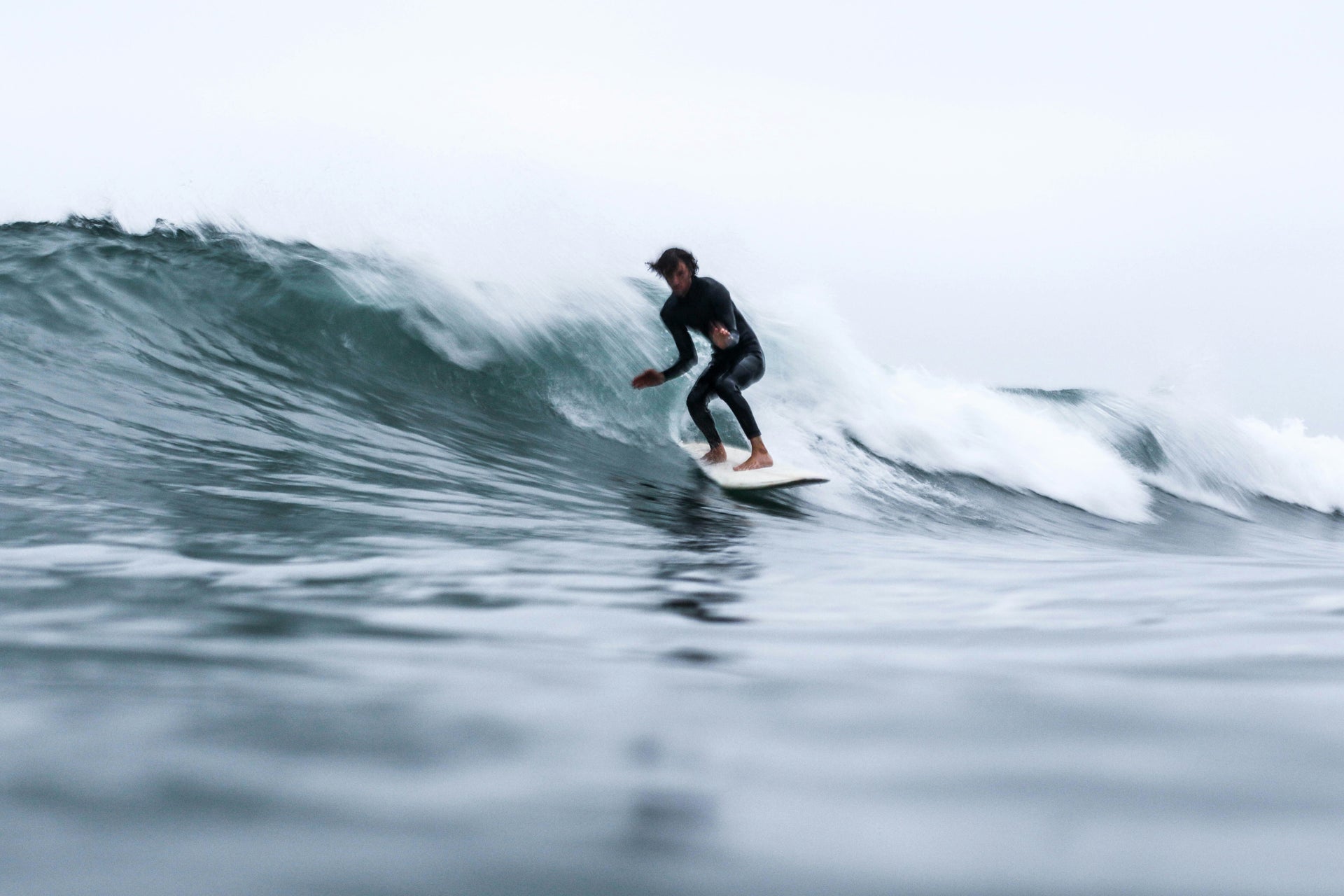
Australian winter swells bring a different kind of energy to the beach. The water is colder, the waves are often more powerful, and the lineups can get surprisingly uncrowded. But if your fin setup is still dialled in for those small summer beach breaks, you might be leaving a lot of performance on the table. Getting your fins right for winter conditions can make a genuine difference to how you surf.
Why Winter Waves Demand a Different Setup
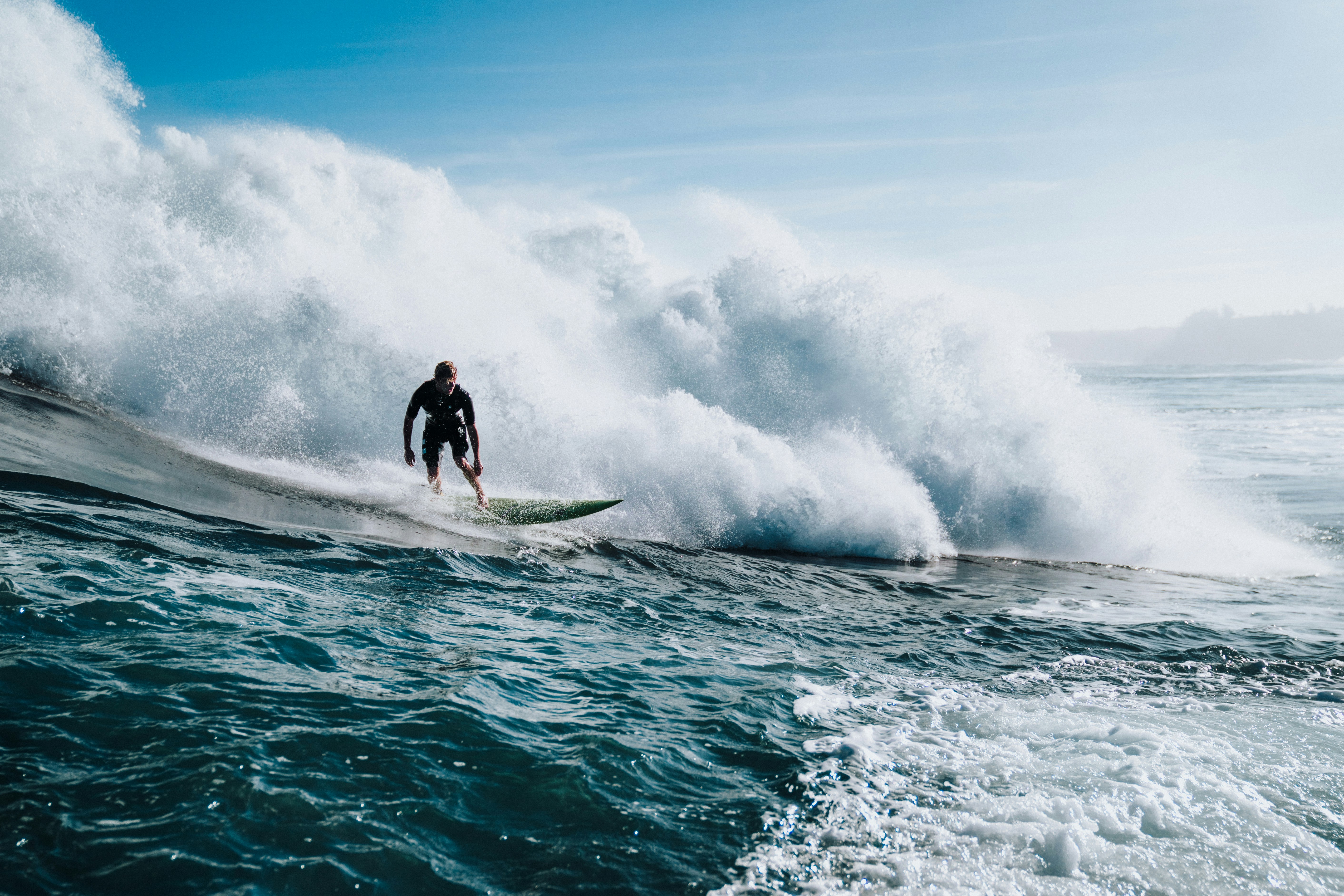
Winter swells along Australia's east and south coasts tend to be longer period and more powerful than the summer shore dump most of us are used to. That means more hold is required through turns, and your board needs to track better in faster, hollower sections. The fin setup you ran all summer, perhaps a loose twin or a small thruster, may feel washy and unpredictable once the swell picks up.
Cold water also affects your wax grip and overall feel underfoot. Pairing a solid fin setup with a reliable surf change mat helps you stay organised on the sand and get in and out of the water efficiently when the temperature drops.
Thruster vs Quad: Which Wins in Winter?
The classic winter debate. Both have their place, but here is a practical breakdown:
- Thrusters offer predictable pivot and hold, which suits powerful, punchy beach break barrels. If your local break throws hard and closes out fast, a thruster with a larger centre fin gives you the drive to make sections. The FCS II Mick Fanning PC Thruster is purpose-built for exactly this kind of surf.
- Quads generate more speed through flat spots and work brilliantly on open-faced waves where you need rail-to-rail flow. In winter ground swell with longer walls, a quad can feel like you have an engine under your feet. The FCS II Performer PC Quad is a solid starting point if you want to try the setup.
A good rule of thumb: if the waves are hollow and fast, run a thruster. If they are walling up with open faces, try a quad.
Fin Size and Flex: Getting the Details Right
Most surfers grab whatever fins came with their board and never think about it again. But fin size and flex rating have a big impact, especially in winter swell. Larger fins give more hold in powerful surf but can feel stiff and hard to release in smaller waves. Stiffer flex is better for heavier surfers or powerful conditions, while more flexible fins suit lighter surfers or less critical surf.
For Australian winter beach breaks, a medium-sized thruster set with a medium flex, something like the FCS II Performer PC Thruster or the Futures AM2 Honeycomb, is a safe starting point. If you are regularly surfing overhead plus conditions, lean toward a larger template with more rake for extra hold.
While you are thinking about your setup, do not overlook your leash. A powerful winter swell is not the time to be running an undersized cord. The FCS All Round Classic Leash 6ft is built to handle the extra stress that bigger surf puts through your equipment.
Cold Water Care and Post-Surf Routine
Winter sessions mean more gear to manage. If you are suiting up, a good post-surf rinse is essential to protect your wetsuit from salt and sand. A Beach Soul Portable Shower 8L is one of the most practical things you can keep in the car. It handles a full body rinse and helps keep your gear in better shape over the season.
Once rinsed, hang your wetsuit properly on an Ocean Earth Premium Wetsuit Hanger to keep it from creasing and degrading through the folds. Wetsuits are a serious investment, and a proper hanger extends their life significantly.
Spending more time in cold, choppy water also increases your exposure to surfer's ear, the gradual bony growth in the ear canal caused by wind and cold water. Wearing Surfears ear plugs during winter sessions is one of the smartest preventive measures you can take.
Ready to gear up for the rest of winter? Browse the full range of surf accessories at shoreset.com.au and make sure your setup is dialled in before the next swell hits.